


- Surgeries
Surgical procedures for your eyes
- Surgeries
Surgical procedures for your eyes
- Surgeries
Surgical procedures performed at our clinic
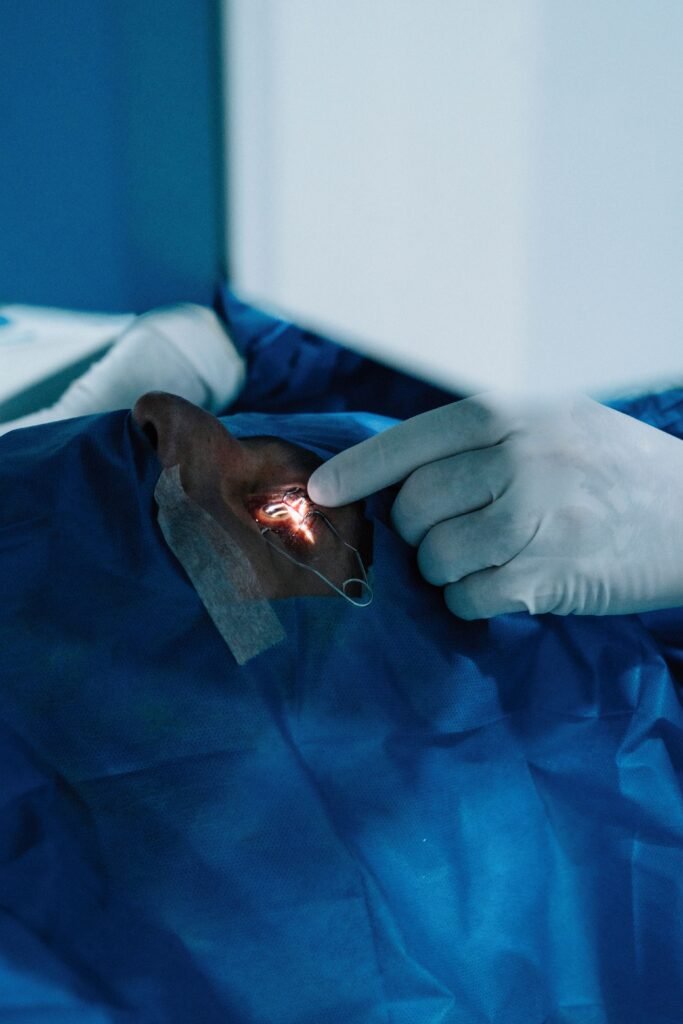
Laser Vision Correction
Laser vision correction aims to improve the way light is focused in the eye by correcting refractive errors such as myopia, hyperopia and astigmatism. Laser technology reshapes the cornea so that light is focused more accurately on the retina. Suitability for this procedure is determined after a detailed eye examination.
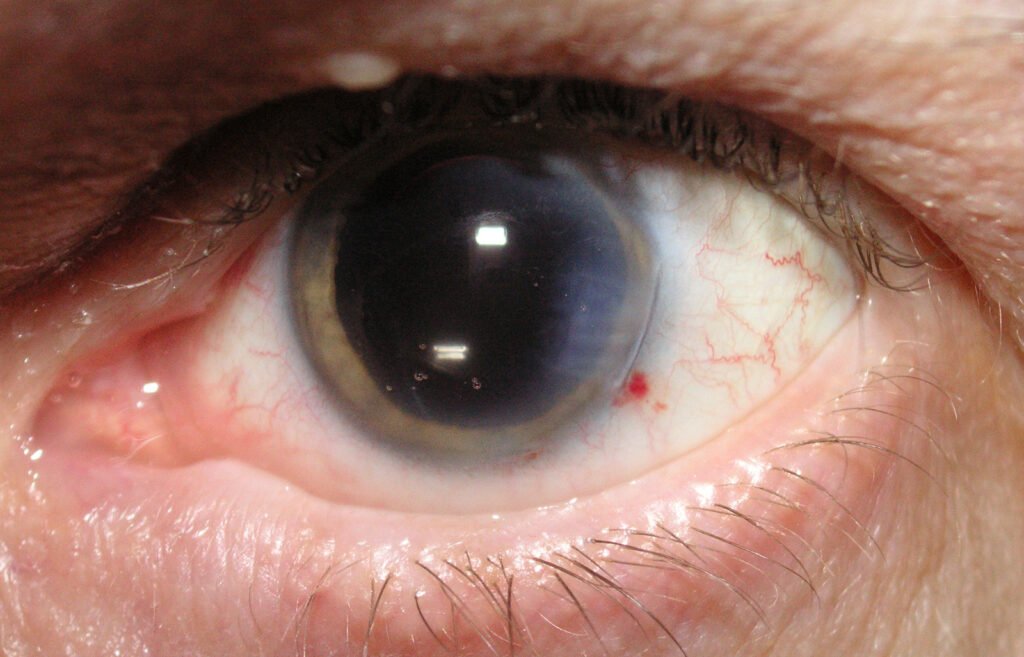
Cataract Removal by Phacoemulsification
A cataract causes clouding of the eye’s natural lens and can significantly affect visual clarity. During phacoemulsification, ultrasound breaks up the clouded lens, which is then removed through a small incision. An intraocular lens is inserted to help restore the eye’s focusing ability.
Depending on the condition of the eye and the patient’s needs, different types of lenses may be considered.
Types of intraocular lenses:
Monofocal – Primarily provide focus at one distance.
Multifocal – Designed to provide vision at multiple distances.
Trifocal – Designed to provide near, intermediate and distance vision.
Toric multifocal – Combine correction at multiple distances with astigmatism correction.
The lens is selected based on medical assessment, the condition of the eye and the patient’s expectations.
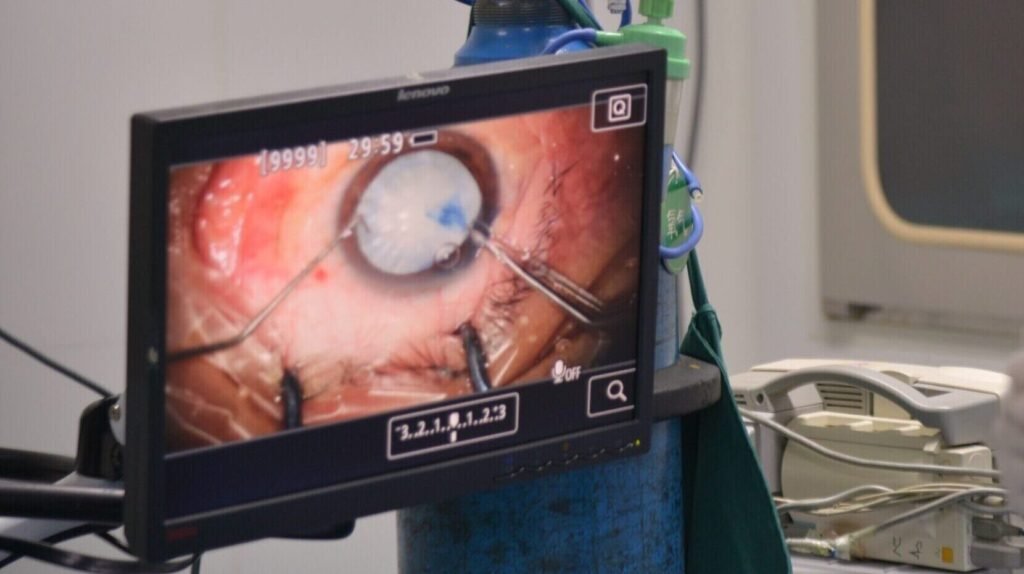
Vitreoretinal Surgery
Vitreoretinal surgery includes specialised procedures to treat conditions affecting the vitreous and retina, the light-sensitive layer at the back of the eye. These procedures may be needed for retinal detachment, bleeding inside the eye, pathological retinal changes and other conditions that may threaten vision. The type of surgery depends on the diagnosis and the patient’s condition.
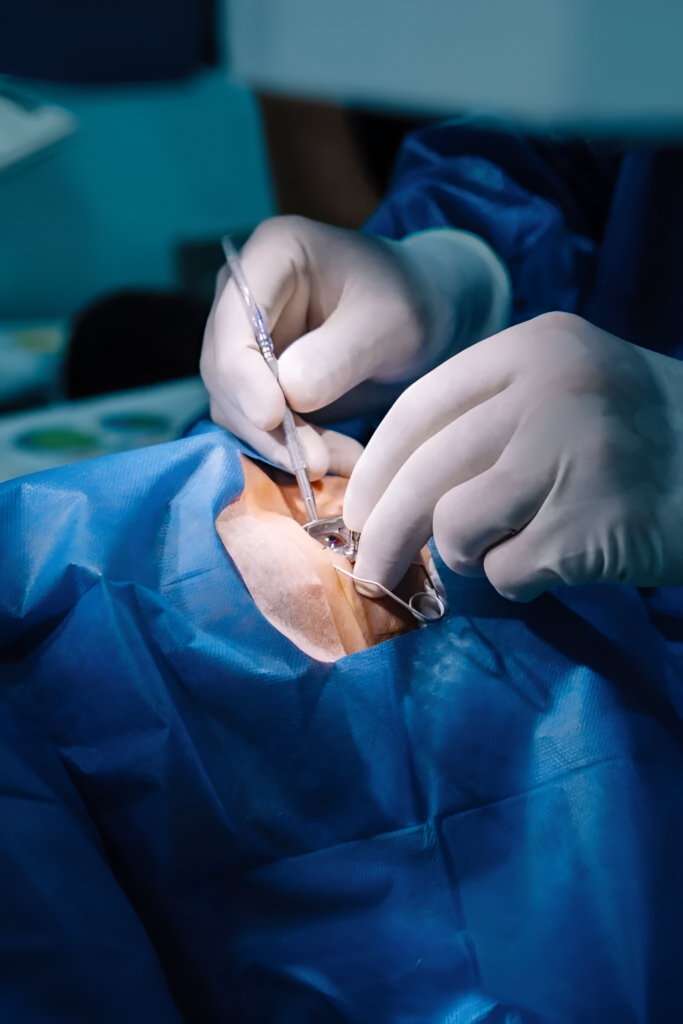
Strabismus Surgery
Strabismus is a condition in which the eyes do not move in the same direction. When necessary, surgery aims to adjust the muscles that control eye movement to improve eye position and alignment. The decision to operate is made after an ophthalmic examination and assessment of the degree of strabismus.
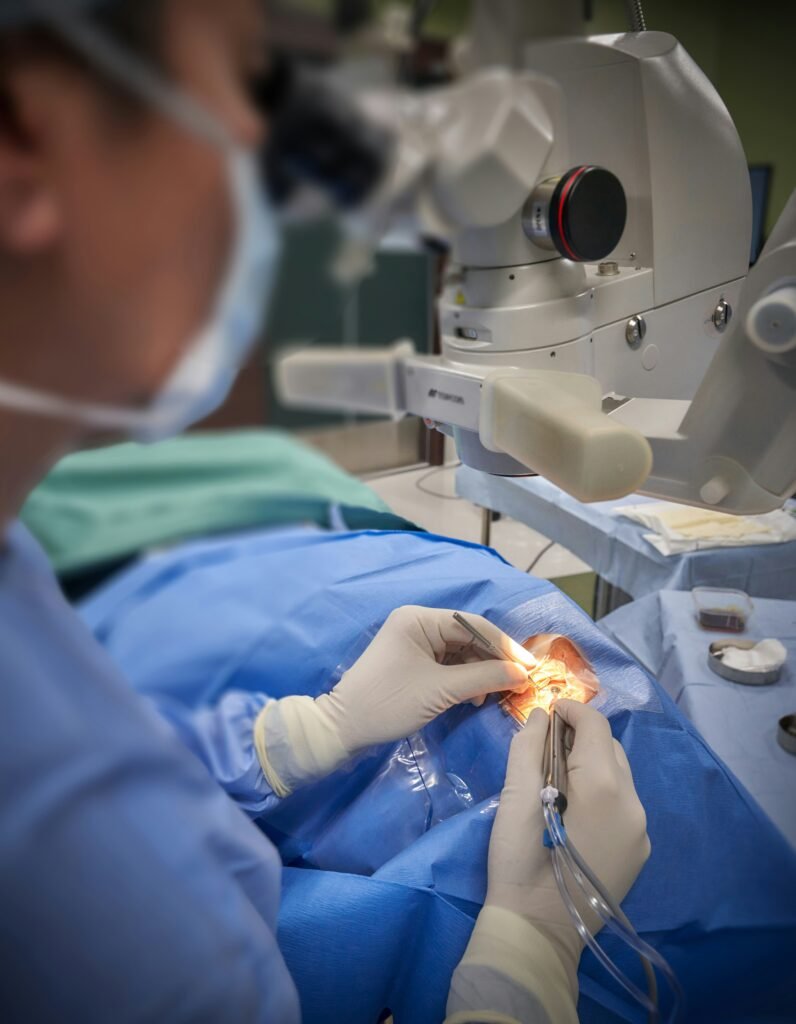
DCR – Chronic Dacryocystitis
DCR, or dacryocystorhinostomy, is a surgical procedure used to treat blocked tear-drainage pathways. This problem can cause persistent tearing, discharge build-up and recurrent infections around the lacrimal sac. During the procedure, a new pathway is created to help tears drain more effectively.
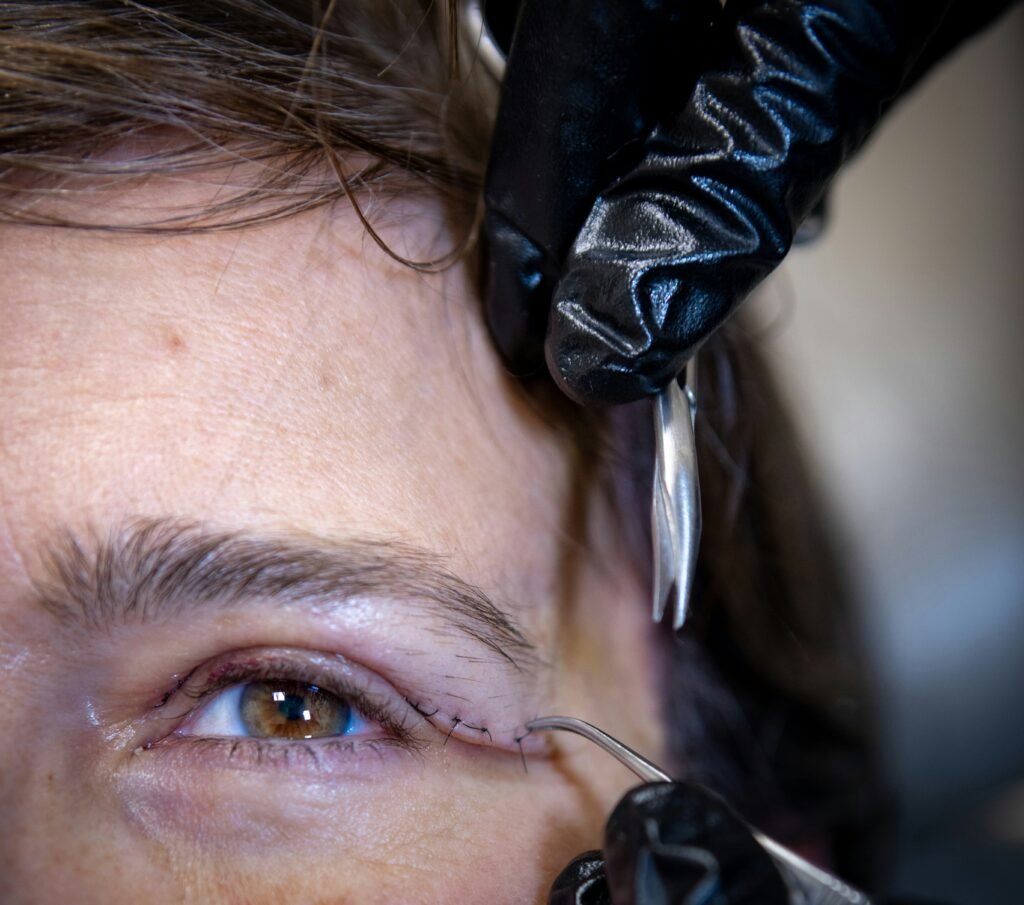
Pterygium Removal with Autograft
A pterygium is a growth of tissue on the surface of the eye that may extend onto the cornea and cause redness, irritation or vision problems. During surgery, the growth is removed and the affected area is covered with a small graft of tissue, usually taken from the patient’s own conjunctiva. This technique, known as an autograft, helps healing and reduces the risk of recurrence.
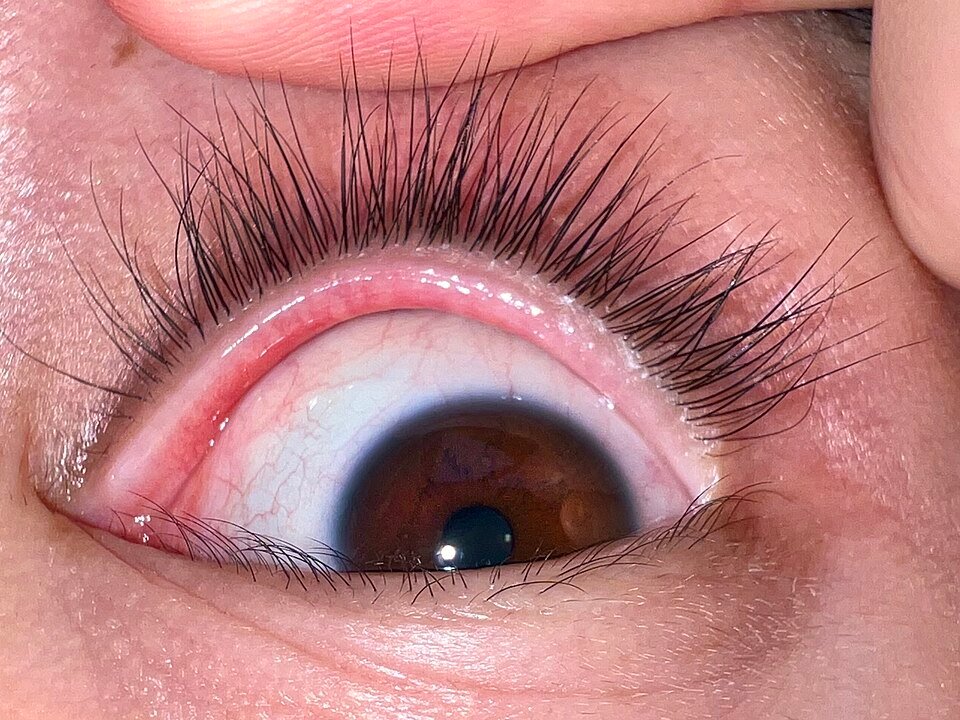
Removal of External and Internal Chalazia
A chalazion is a swelling in the eyelid usually caused by a blocked meibomian gland. It can appear on the outer or inner eyelid and may sometimes cause discomfort or pressure on the eye. If it does not resolve with initial treatment or continues to cause symptoms, surgical removal may be recommended following an ophthalmologist’s assessment.
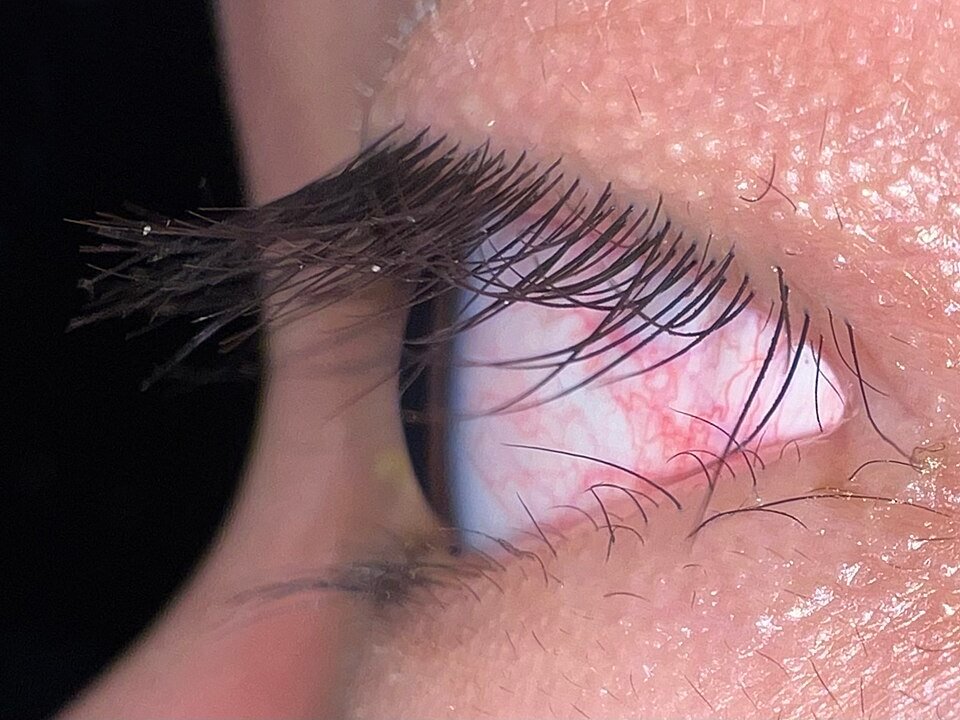
Removal of Atheromas, Conjunctival and Skin Cysts, Warts and Other Eyelid Lesions
Various lesions may develop on the eyelids and around the eyes, including atheromas, conjunctival and skin cysts, warts and other eyelid growths. Depending on their type, size and location, surgical removal may be recommended to relieve symptoms or treat the lesion. The doctor assesses each growth before the procedure to determine the appropriate treatment.
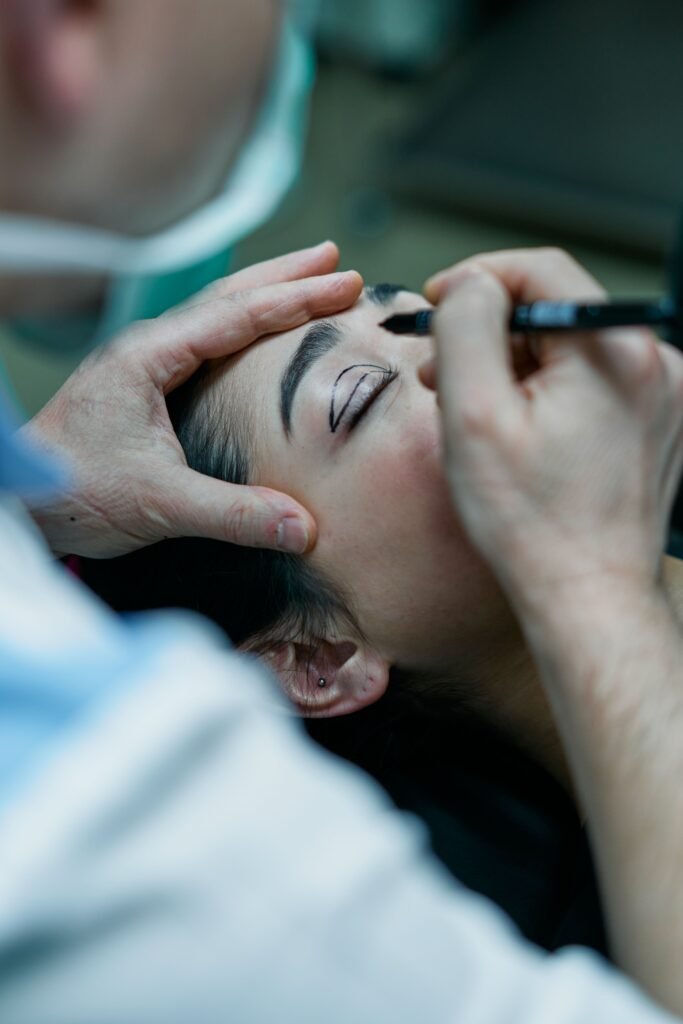
Upper and Lower Blepharoplasty
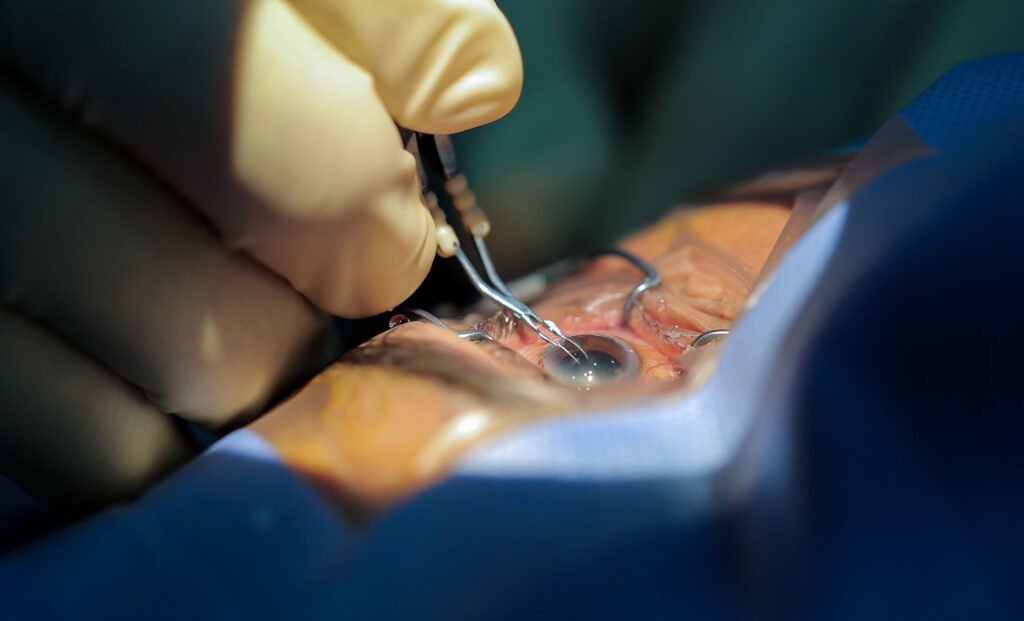
Corneal Cross-Linking for Keratoconus
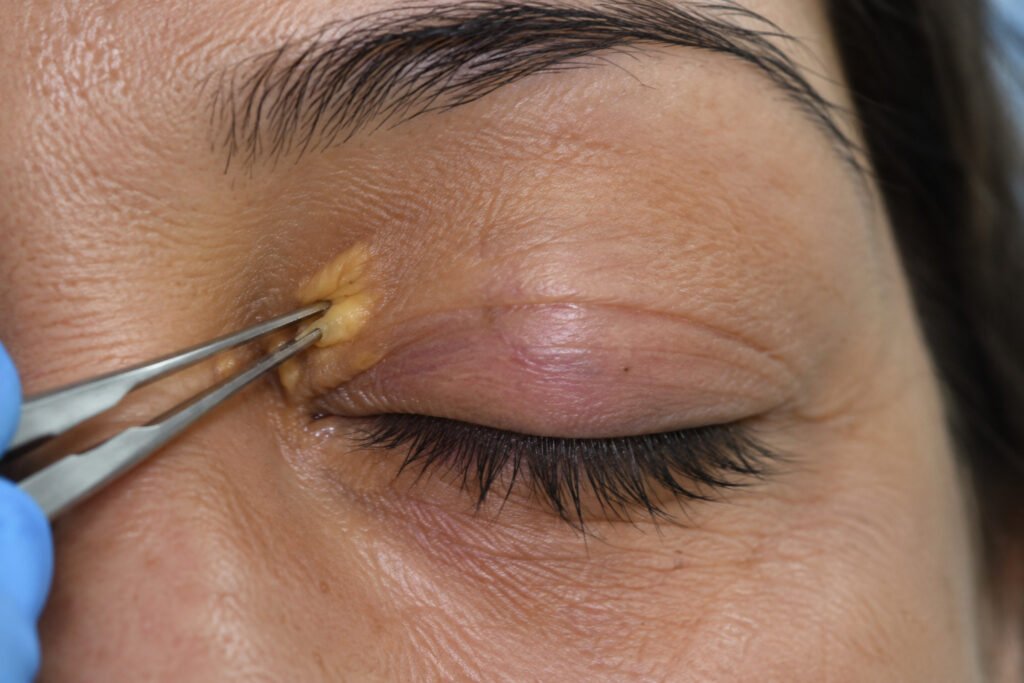
Xanthelasma Removal
- Ocular procedures
Ocular injections
- Types of injections:
- Subconjunctival
- Parabulbar
- Retrobulbar
- Intraocular

Interested in our services? Contact us today!
Pediatric Ophthalmology
- © 2026 Ordinanca Vizioni
- Web design Primeframe